March 2026 marks the end of our 2-year Future Leaders programme. It’s been an incredible experience for us at Drake Music, and we feel privileged to have worked with so many brilliant Young Disabled musicians over the course of 2 cohorts. We asked our second cohort to document their journeys, detailing their experience of programme. This included:
- A structured online training and development programme
- Online creativity sessions delivered by Drake Music Collective alum and Creative Facilitator, Miss Jacqui
- Running an independent project with a budget of up to £500
- Gaining practical experiences by shadowing professionals working within community music settings
- Participating at the Inclusive Music In Practice event in partnership with Sound Connections in London
- Monthly mentoring sessions with an experienced musician from the Drake Music community
You can read and watch the blogs below!
Godfirst (G1)
Ella Pearson (Pea)
I am Pea, a Disabled oboe and cor anglais player and creative practitioner from Wolverhampton. Having graduated with a Bachelors and Masters degree from the Royal Welsh College of Music and Drama (RWCMD) in 2024, I have spent the last few years gaining experience and knowledge around music and disability.
In 2023, I joined the National Open Youth Orchestra’s (NOYO) Cardiff ensemble, and the National orchestra a year later, which has proven to be a life-changing experience for me. Despite studying at a conservatoire, I had no idea of the true extent to which my condition impacted on my ability to participate in musical experiences and function in everyday life; after joining NOYO and seeing how other members were able to be authentically themselves whilst making high-quality music, I became acutely aware of just how much I was masking to conform to the standards of professional classical music, and how exhausting and debilitating it was.
Becoming a Drake Music Future Leader presented me the opportunity to educate other conservatoire students on accessibility and inclusivity in the music industry so that others may become enlightened as I had been through NOYO.
Along the project development journey, I was also able to partake in a series of training sessions organised by Drake Music, which offered expert insights into topics such as access for artists, leadership skills, and an introduction to funding.
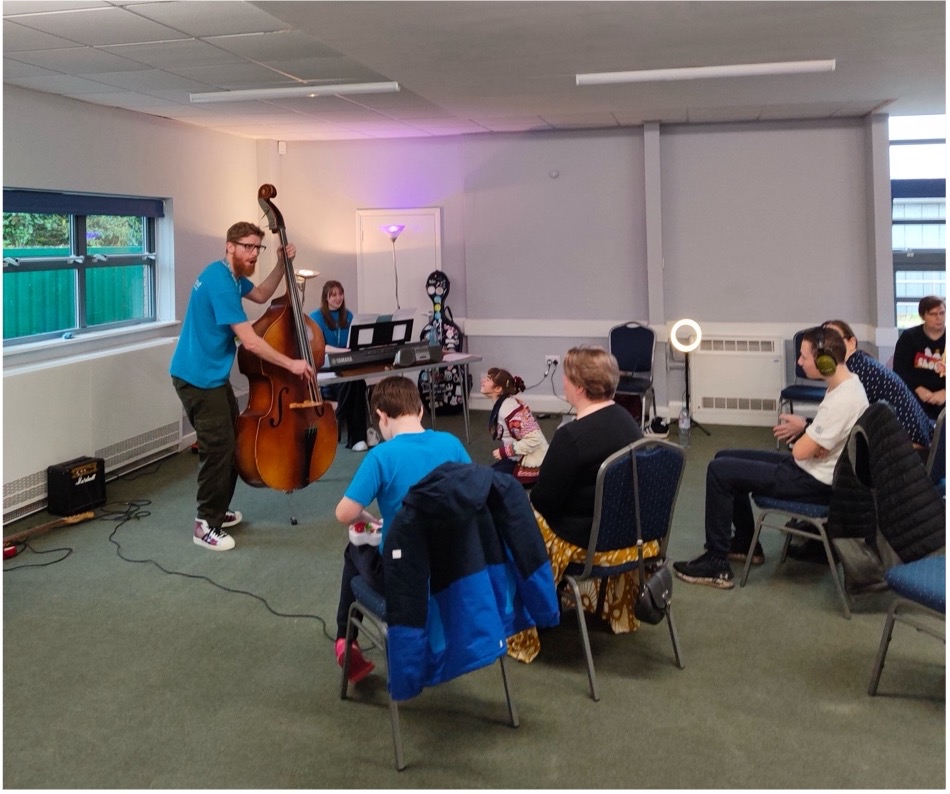
Additionally, the Discovery aspect of the Future Leaders programme offered an invaluable opportunity to connect with industry professionals. I spent an inspirational day with Severn Arts: with huge thanks to Debbie Fawcett, I was able to observe a Studio Session, where young people were supported to record an original track; participate in a Soundabout Choir rehearsal, an inclusive group for Learning Disabled people with complex support needs and their friends/family, encouraging engagement in ways that are accessible to the individual; and watch a rehearsal and concert by the combined forces of the Worcestershire Youth Orchestra and Worcester Symphony Orchestra.
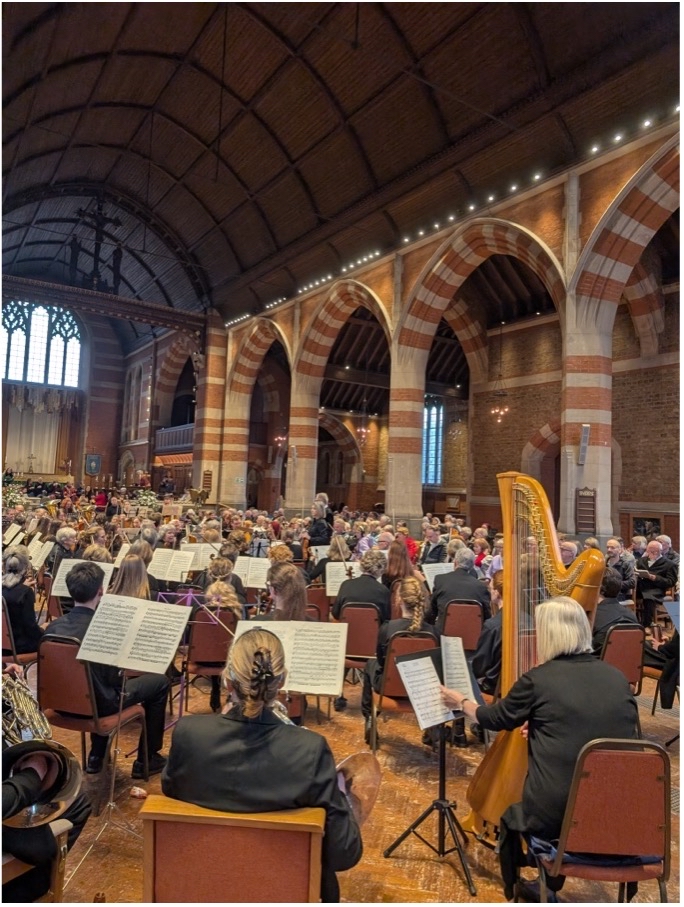
I was hugely grateful for the opportunity to learn about the variety of activity in Worcestershire to engage young musicians across a range of needs.
With the knowledge I gained throughout the Future Leaders scheme, I was able to produce a successful project to conclude the experience. In February, I visited RWCMD to deliver my ‘Introduction to Accessibility and Inclusivity in the Music Industry’ workshop to a small group of woodwind students.
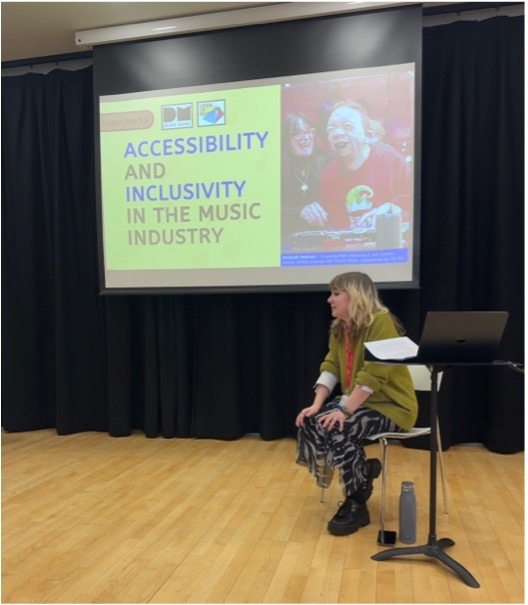
The session began with a beautiful performance from The Clarion Trio, an ensemble of Disabled musicians who are trailblazers in disability in music and assistive music technology.
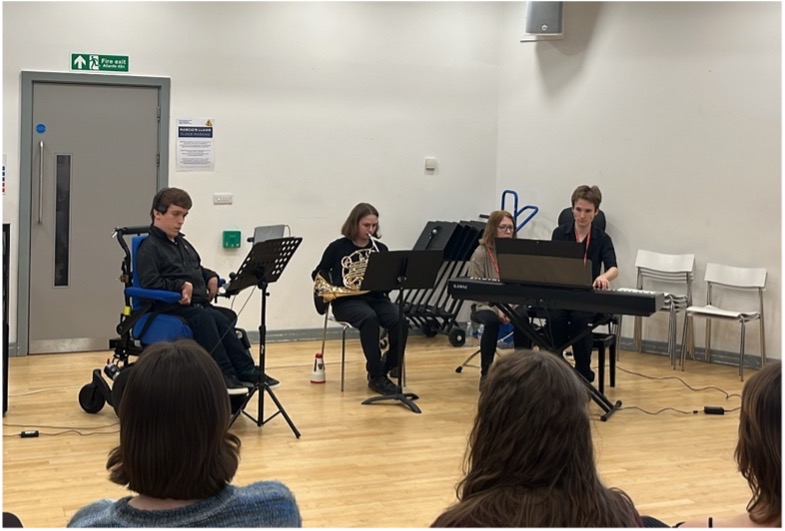
I then delivered an informative presentation to educate students on barriers that Disabled people may face to accessing the music industry and the role that conservatoire students have the responsibility to play as future professionals. The workshop closed with each student having the opportunity to play ‘Falling’ by Kate Whitley on the Clarion or Thumbjam, and a feedback session.
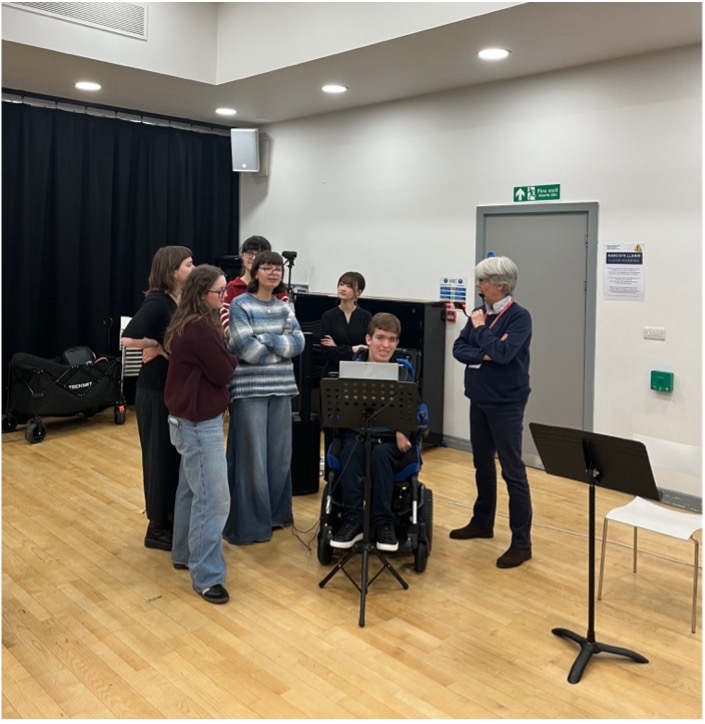
A massive thanks to the guidance and wisdom of Drake Music’s Deborah Borg Brincat and Nick Evans, as well as my mentor, Vinicius Motta: their calm encouragement was crucial to the completion of my project!
I was incredibly grateful for the open-minded curiosity that the students showed throughout the workshop and am confident that they will continue to advocate for accessibility and inclusivity for Disabled people in the music industry.
Drake Music’s Future Leaders scheme has been crucial to my professional development, and I am incredibly excited to continue this work throughout my career!
Tom Culling
My name is Tom Culling, and I am a 23-year-old community musician and composer. Over the previous few years, the bulk of my practice has been focused on developing accessible music tech-based setups for workshop participants with a variety of needs.
You can keep updated with my work, and the development of my open-source, freely-available, accessible technology on my Instagram and by joining my CIC’s mailing list via the Central Hob website.
Future Leaders, provided a fantastic opportunity to further develop this side of my practice. I am astounded by my privilege and hugely grateful for the wonderful team at Drake Music for the wisdom, support, and kindness throughout this project’s unfolding.
My one-to-one mentoring sessions with Dav Shiel involved discussions about the world of accessible music technology and funding. Dav gave me a lot of useful tips and guidance around navigating my sessions, with a particular focus on a series of music-making workshops that I led for a class of 10 key stage 2 children in a special school in Coventry.
As part of the Future Leaders programme, each trainee devised a project. For my project, I focussed on two things:
- I brought three guest musicians – the Caramillo Reed Trio – into the aforementioned special school for a special session about making music about rainforests – This was a blast!
- I developed various sensor-based instruments over the course of the programme, including knock-sensor sample triggers inside djembes, and motion sensor instruments designed to be played with a variety of movements, including small/subtle movements to cater for those with limited mobility.
Three highlights of the programme for me were:
- The amazing opportunity to bring my sensor instruments to the Inclusive Practice in Action event and share them with other facilitators and accessible tech enthusiasts.
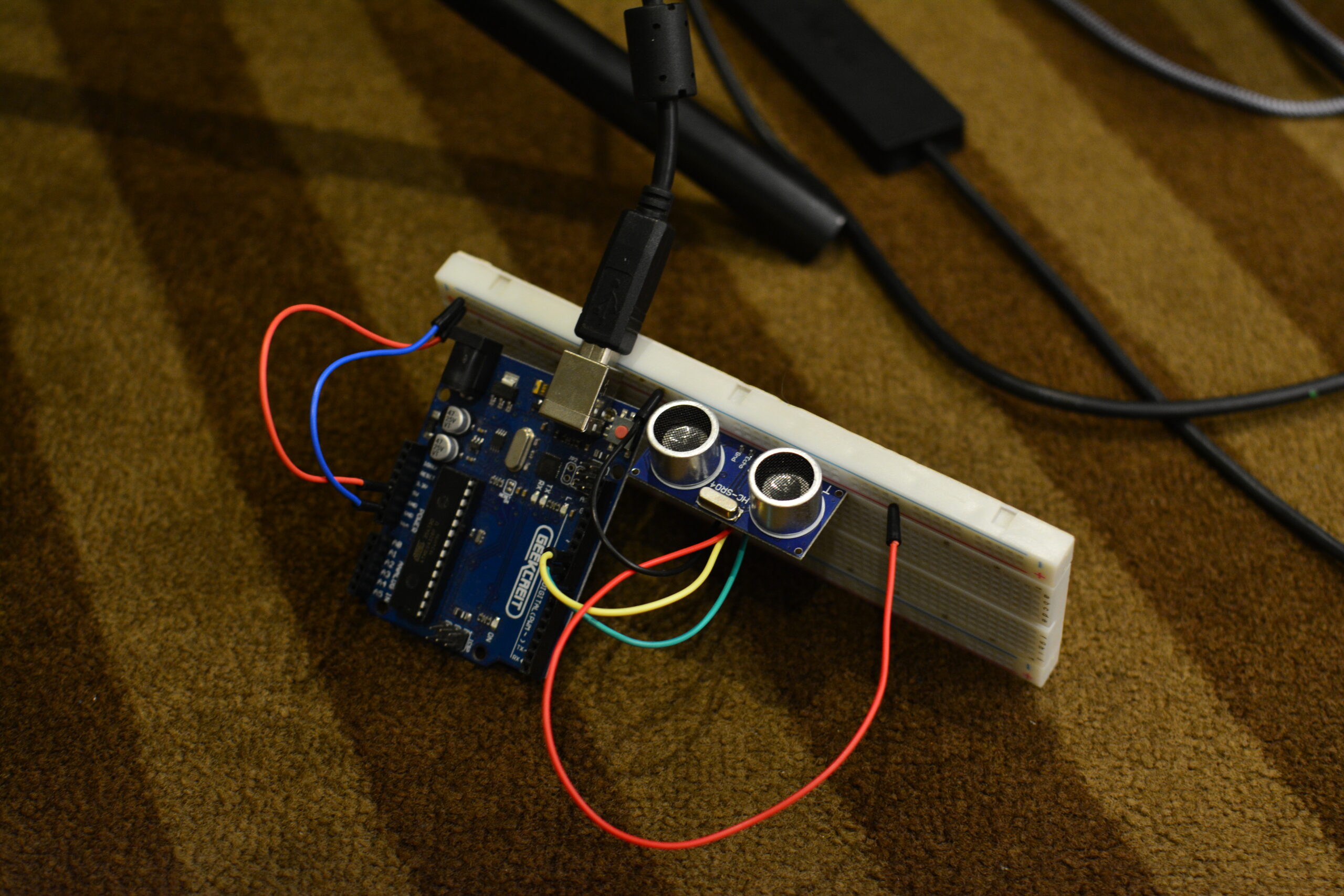
- The opportunity to give a short presentation about the use of DIY sensor-based instruments in music leading settings and their great potential for accessible music-making in one of the Future Leaders training sessions.
- Shadowing Dav for an LSO Create event and getting “stuck in” with the musicking! – I met so many inspiring Disabled musicians and spoke to a brilliant flautist about the issue of financially-inaccessible tech at this event, and it was a joy to shadow Dav’s laid-back and flexible workshop-leading approach.
The team at Drake Music genuinely care deeply about accessibility, and this was made obvious throughout the duration of the programme. I have learnt a huge amount about good practice from being regularly exposed to it, and have adopted a lot of this language and thoughtfulness in my own work.
For example, I am now far more confident in adapting my workshops to the needs of visually impaired and blind people… Being a part of this project has certainly helped me develop these skills, as the team hold themselves and each other accountable for making sure to remember to do audio descriptions of visual resources and their appearances, etc. This is just one example of their rigorous attention to detail and mindfulness about good practice for ensuring accessibility.
Drake Music are also fantastic at actively looking for feedback and ways to improve, and they cultivate an environment which allows for constructive criticism and effective reflective practice.
I had a brilliant time on this programme! Big ups and gratitude to Drake Music!
Amélie Donovan
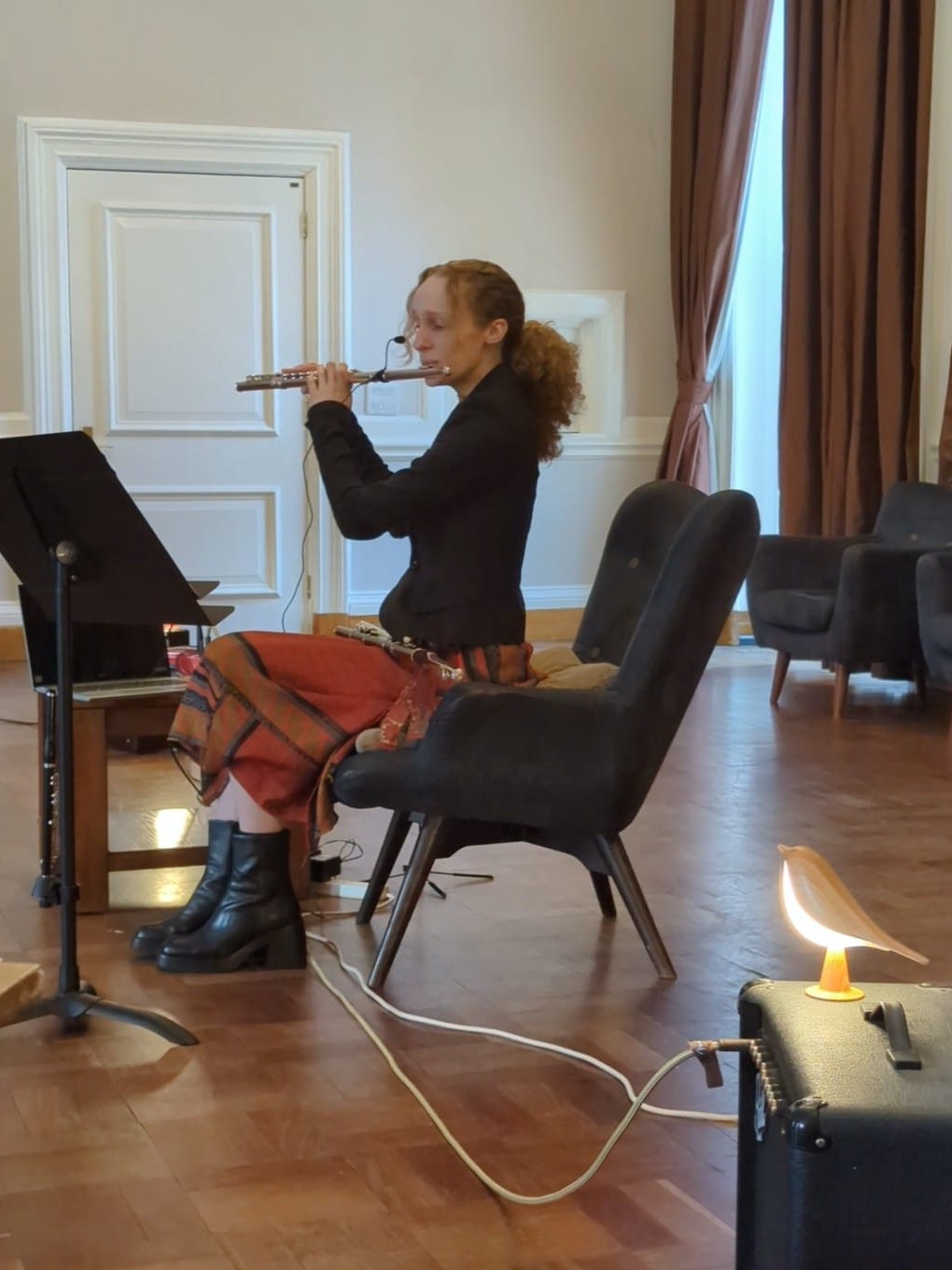
I am a classical flautist with a strong interest in folk, jazz, and experimental music, and a deep commitment to widening access and participation in the arts. Having come from a background of dance and visual arts, I am always looking for ways to combine different art forms to create flexible, inclusive musical experiences.
Prior to becoming a Drake Music Future Leader, I had taken part in various music projects but never curated and led my own from start to finish. The programme presented an exciting opportunity for me to build the skills and confidence to do this, with the support of an organisation whose commitment to accessible music-making aligns with my aims and values.
For my project, I put on an accessible concert of flute music with a varied programme, ranging from traditional folk melodies to contemporary works with electronic accompaniment. My aim was to create a welcoming environment in which audience members felt free to engage in whatever way they found comfortable. The music included elements of birdsong, and I provided art materials for audience members to create bird-themed collages while listening. I also handed out bird whistles, inviting the audience to be part of the music-making. The relaxed format encouraged playful, creative engagement and softened the barrier between performer and audience. This approach fostered conversation during and after the performance, with audience members asking questions, sharing responses to the music, and connecting with each other as they admired their collages together.
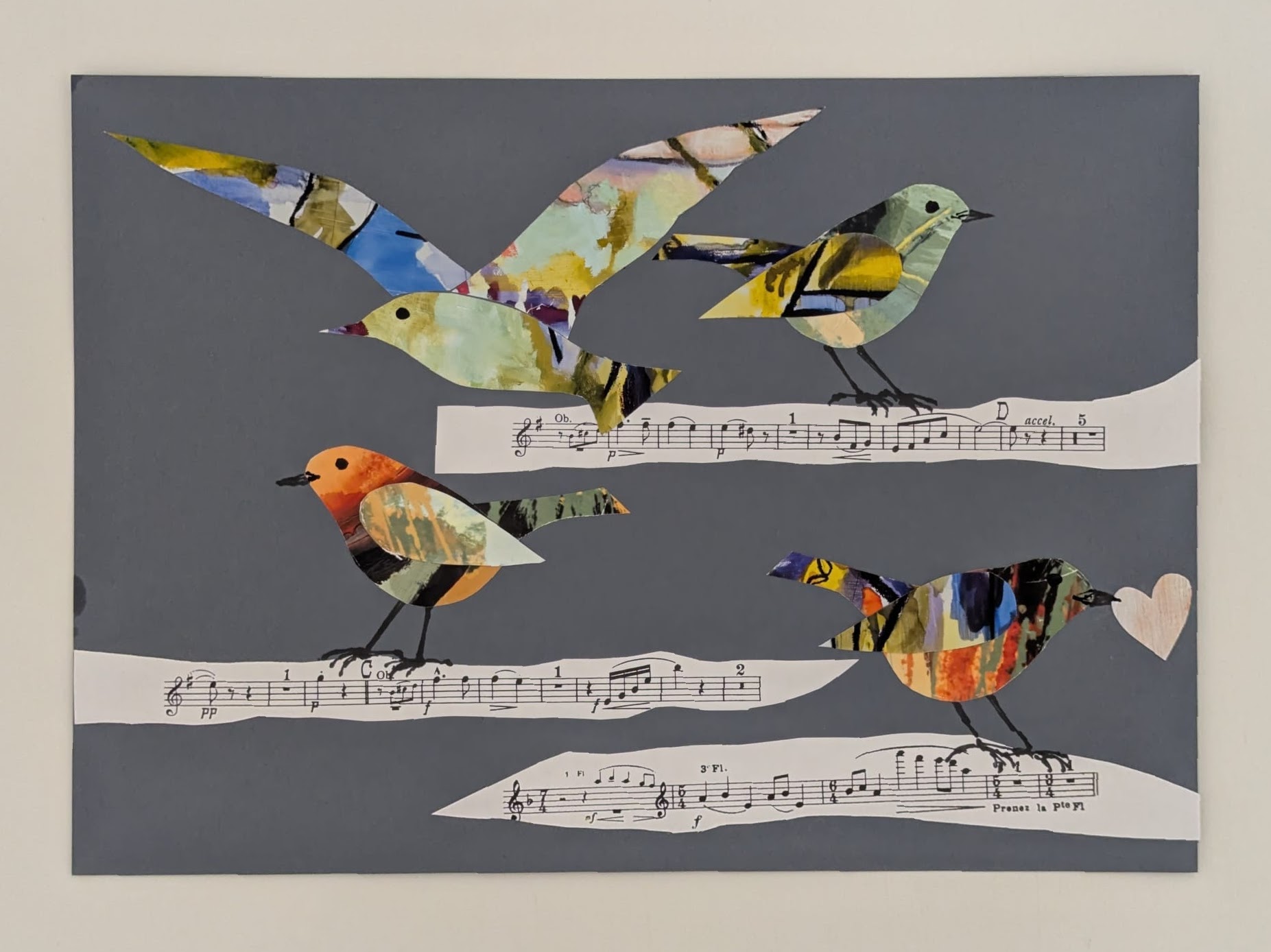
Drake Music carefully matched each Future Leader with a mentor to support us individually throughout the programme. As a Future Leaders alumnus, my mentor was able to give valuable insight into navigating the challenges of developing my own project. The training sessions have also been extremely helpful, offering practical tools and approaches that I can carry forward into future projects and other areas of my practice. I learned a lot about making music accessible for musicians and audiences, and also explored topics such as funding, budgeting, and different approaches to leadership.
For the Discovery element of the programme, I got to attend an effects pedals workshop with Paraorchestra, which inspired my use of a delay pedal in my project. Having previously attended their Play with Paraorchestra workshops, I was excited to reconnect with the Paraorchestra musicians and team, and I really hope to work with them again in the future. I also had the opportunity to shadow at THAMES Saturday Music Centre’s Soundbox sessions, which are designed to bring together Disabled and Non-Disabled young musicians through inclusive, engaging musical activities that support the diverse range of participants. This gave me a lot to reflect on and will inform many areas of my work.
Taking part in the Drake Music Future Leaders programme has been an amazing opportunity to grow my skills and confidence, broaden my knowledge, and build inspiring connections, including with fellow Future Leaders. I’m excited to build on this experience and explore bigger, more ambitious projects, collaborating with other musicians and artists.
Contact Amélie
Lilian Buckthought
When I applied for the Future Leaders Programme, I felt a little lost in my freelance music career, as both a practitioner and an artist for the first time. Over the programme, I’ve found my confidence, focus, and ability to grow across professional and artistic pursuits. I’ve applied for funding, stepped into new roles, and performed publicly for the first time. Marking my first 5 years in the music industry, the programme has helped me solidify my identity as an artist and as someone actively contributing to accessible cultural infrastructure.
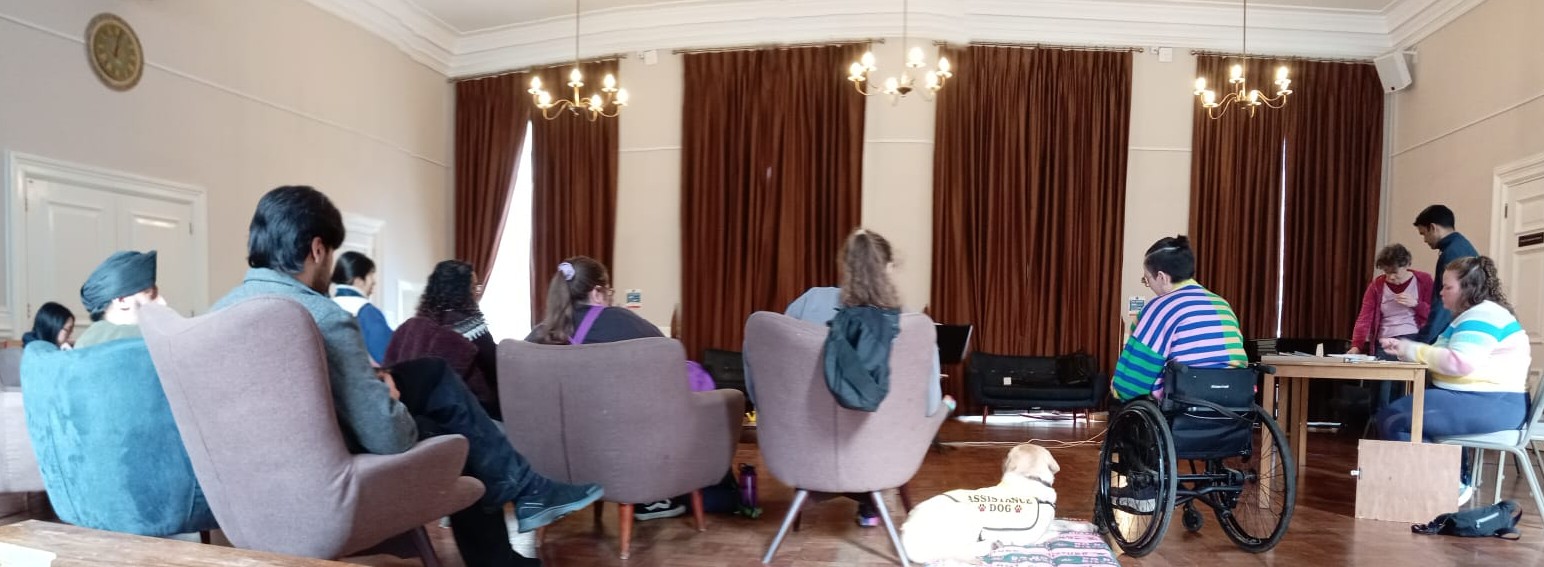
As a speaker at the Sound Connections IPIA event, I shared the Future Leaders’ perspective on progression in the music industry and what the sector needs to do differently for Disabled leaders to see the change we want, highlighting the important and unique perspective we hold.
My project was a beginner DJ workshop. I started the programme knowing I wanted to build on my experience in electronic dance music and to grow my skills in facilitation and academic frameworks within dance music culture. In the workshop, I covered beatmatching, the context of electronic dance music culture, and mixing techniques, enabling participants to complete their first transition and be intentional about their track selection. I collaborated with Yewande Adeniran, a long-time mentor of mine. Facilitating together felt significant after years of supporting me through the early stages of my career. I’m excited to develop this mode of teaching further, bridging academic, artist development, and community contexts.
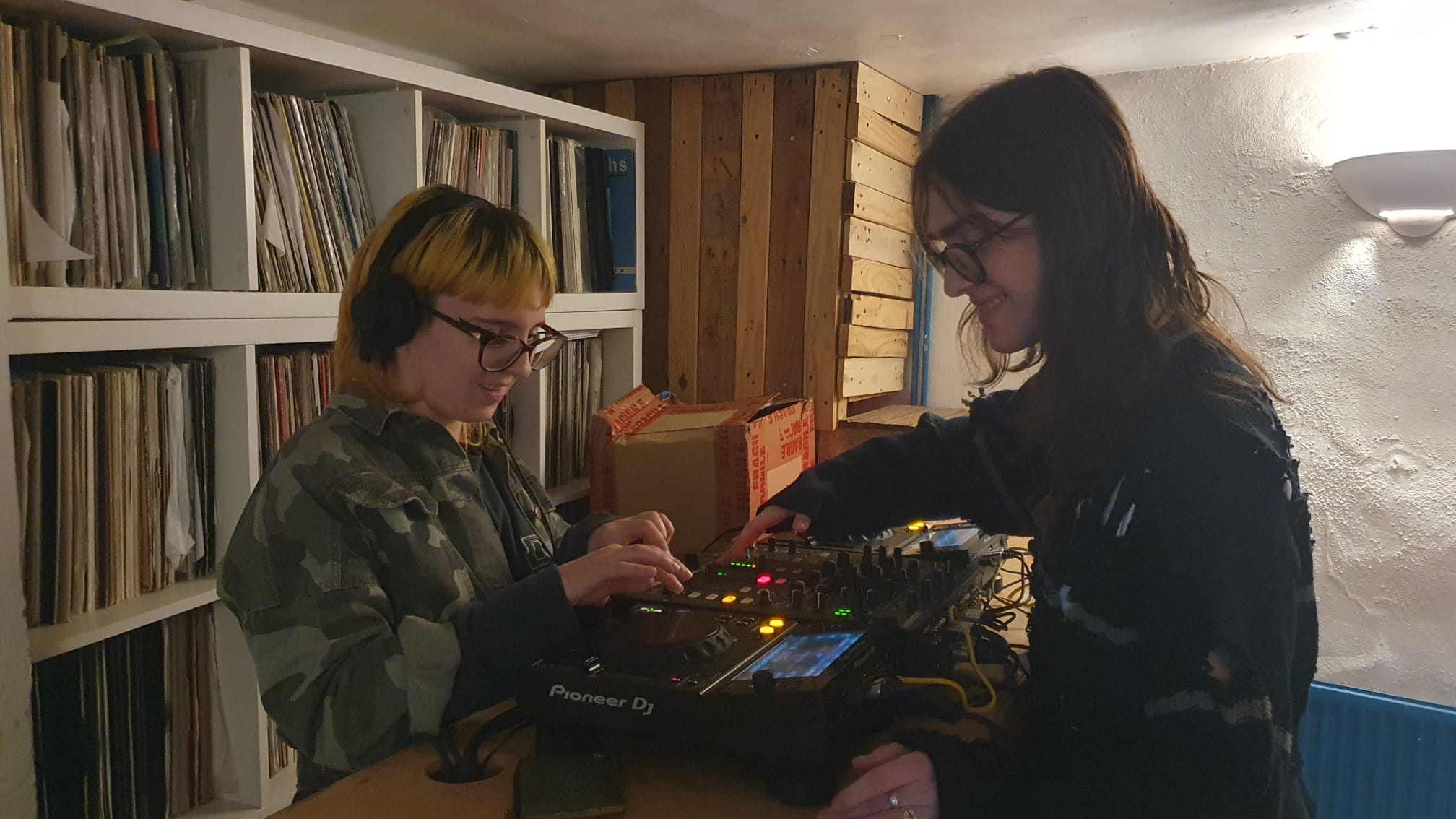
The sessions that were most relevant to me were DM Create, where I met other artists within Drake Music, sharing our different perspectives, our music, and experiences within the industry. Training sessions covering funding and leadership have been integral to embracing the untraditional career route I find myself on. As part of the discovery section of the programme, I attended a panel discussion on navigating the freelance world of live events, where advice on confidence, pitching, and skill-building was shared.
My mentor, Daisy Higman, helped me develop approaches to productivity with neurodivergence, how I wanted to model leadership, and how to define my relationship as an artist manager. She also supported the lesson planning for my workshop and pointed me toward further reading as I carve out a route back into academia.
Contact Lilian
Florence Limb
Why I applied for this programme:
I applied for this programme because, as a Disabled artist, opportunities like this are incredibly rare, and because I carry a passion to one day, create meaningful change through my work.
Through weekly training sessions and one-to-one mentoring (shoutout to my mentor Daisy!). This programme has accelerated both my artistic practice and my professional practice in ways I couldn’t have imagined. A year ago, I would never have believed I’d be speaking at a conference with over 100 attendees. Yet that’s exactly what I did at our IPIA event in London in February.
Drake Music (Deborah, Nick, John and Douglas) didn’t just support my development, they’ve filled me with a sense of confidence in me that I now feel unstoppable! I’m crying as I write this knowing the programme has come to an end.
What did my project consist of?
As a theatre maker, writer and musician, I knew I wanted to make a short musical. I’ve had work produced before, but I began to notice a pattern in my writing, often opting for safe and familiar themes.
This programme gave me not only funding, but pathways to take risks. So I stepped outside my comfort zone. And just like that, The Last Supper: A Drag Musical was born.
As a lesbian, my identity is central to my own lived experience and my art. Creating work that celebrates and centres LGBTQIA+ community felt not only natural, but necessary. This project allowed me to merge queerness, faith, drag, music and theatre into one piece.
I collaborated with several people for this project. I worked alongside incredibly talented drag artists, performers, musicians and supporters who brought their own artistry and lived experience into the room.
My future plans with this wonderful piece of work include:
- Further develop the script and score
- Secure funding to do a week R&D
- Explore festival programming
I’ve actually just secured a day of R&D at the Barbican Theatre this month to continue experimenting and playing around with this piece.
What did you do for your discovery sessions?
As part of the Discovery element of the programme, I shadowed a range of sessions that gave me insight into accessible music-making practices and inclusive facilitation at an educational facility that creates empowered lives and education for Disabled young people. Shadowing these music sessions allowed me to:
- Understand practical approaches to accessible creative spaces
- See inclusive facilitation in action
- Gain insight into how large-scale creative projects are managed
- Learn how to better advocate for myself and other Disabled artists
This experience has profoundly shaped how I approach my own work. I now think more intentionally about:
- Accessibility from the very beginning of a project
- Power dynamics in rehearsal rooms
- Collaborative leadership
- Representation that feels authentic.
Contact Flo:
Mina (Mina’s Altar)
My name is Mina Budworth ( Mina’s Altar) and I am a Folk Musician and Poet from Hull, living with Bipolar Disorder. My music explores mental health and psychosis, alongside broader themes such as limerence and love. I am also an Expert by Experience for the NHS, using my experiences under Mental Health services, and inpatient settings (psychiatric wards) to improve the NHS in panels with other patients, Mental Health workers, and collaborating services (such as rehabilitation schemes). I applied to Drake Music Future Leaders, as I wished to design a new career pathway that focused on the intersect between mental health, wellbeing and music. This is an area I feel strongly about, as music helps me to process my past and experiences, and connect with others both onstage and off. Without access to formal teaching qualifications, I wished to explore the options around becoming a community musician, and the Future Leaders scheme paired me with an incredible mentor, Elizabeth J. Birch, who had incredible guidance and insight.
My final project for Future Leaders was to teach a songwriting mental health workshop in a local college. My session was an hour and a half, and was tailored to a class for eighteen-year-olds. I wanted my session to be interactive and collaborative, and featured discussion and analysis of my Mental Health themed songs, before moving on to a writing task. I encouraged them to write a song that told a story, whether they wanted to be personal and reflective, or create a character, and we discussed the songwriting devices they could use during the session. There was 17 students in the class, and I hosted alone. This felt like great preparation for my future plans, which is to write a songwriting course for the local Recovery College. The Recovery College is a free resource for all ages, which is primarily advertised to those under Mental Health services, which explore a variety of skills and activities to build confidence, community, and recovery.
For my discovery, I largely worked with the Albermarle Music Centre, Hull. For one session, I observed a workshop between Drake Music and local music teachers which discussed accessibility and the social model of disability, and encouraged them to try accessible instruments. This was wonderful, as I was able to speak to a variety of music teachers from different backgrounds (orchestral, primary school, private, community musicians) and have informed discussions about how they will incorporate accessible technologies into their practice and ensembles. I also observed the Creative Sessions there, where young bands can book rehearsal spaces and have access to help, rehearsal spaces and instruments. It was great to see what resources are available to young musicians in the city!
I also observed the Music Department (Lewis Marrow) at Wilberforce College, where I later did my final project. Seeing his inspiring and motivational teaching style definitely reinforced my personal ethics on what kind of leader I want to be- kind and complimentary. This also gave me guidance on how to structure my final project, and an insight into the learning styles of the students there.
The training sessions as part of the Future Leaders scheme were fantastic. From logistical advice such as applying for funding, accessible instruments, what it means to be a leader, to advocating for access needs, each week provided insight into different parts of the industry. Hearing from huge organisations such as PRS Foundation also provided valuable insights into what they look for in an application, and how willing they are to help when it comes to access needs. These sessions grew my confidence; taught me about different skills I’ll need to be a freelance practitioner and also in my career as a performing musician. I can’t thank Drake Music enough!
My mentor for my project was Elizabeth J. Birch. Coming from a community musician background, her work as a facilitator includes songwriting sessions for young people from a variety of backgrounds. We spoke on a wide range of subjects, from professional personas, valuing your skills and talents, planning sessions, to DIY recording set ups. Our genres are very different but our personalities, ethos and goals aligned perfectly. I adore her. I am so glad to have met her and will definitely keep in touch. Thank you Liz!
Overall, I want to thank the programme, and Drake Music Team for being such an amazing cohort, inspiring, informed and friendly. The Inclusive Practice In Action event at Rich Mix was a lovely way to end the programme, meeting the other Future Leaders and John, Deborah, Nick, Dav and Lisa (The Drake Music team) and having discussions with professionals from a wide range of backgrounds about the future of accessibility and the changes we wish to see. It has been a very inspiring process, and has given me a sense of purpose that was lacking from my life prior to the scheme. I hope to continue my career exploring and amplifying the voices of those with Mental Health issues, and providing opportunities for them to make a difference and shine.