We asked our 2025-26 Accessible Instrument Development Fund grantees to document their journey towards creating a brand new accessible instrument. One of our grantees, Cheryl Hui, wrote the below blog to provide a detailed insight into how their instrument, Sound of Joy Music System was made!
Cheryl Hui & the Joy of Sound Music System
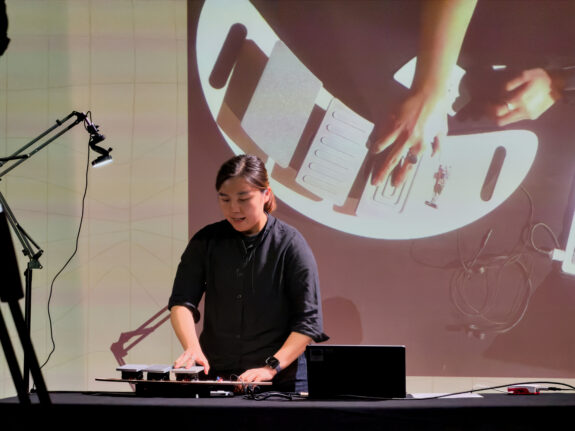
I am a musical instrument designer, musician, and researcher dedicated to challenging ableism and discrimination through accessible and inclusive musical instrument design. Instead of building a single, rigid musical instrument, my recent project has evolved into something much more flexible: a modular, kinetic musical system called the Joy of Sound Music System.
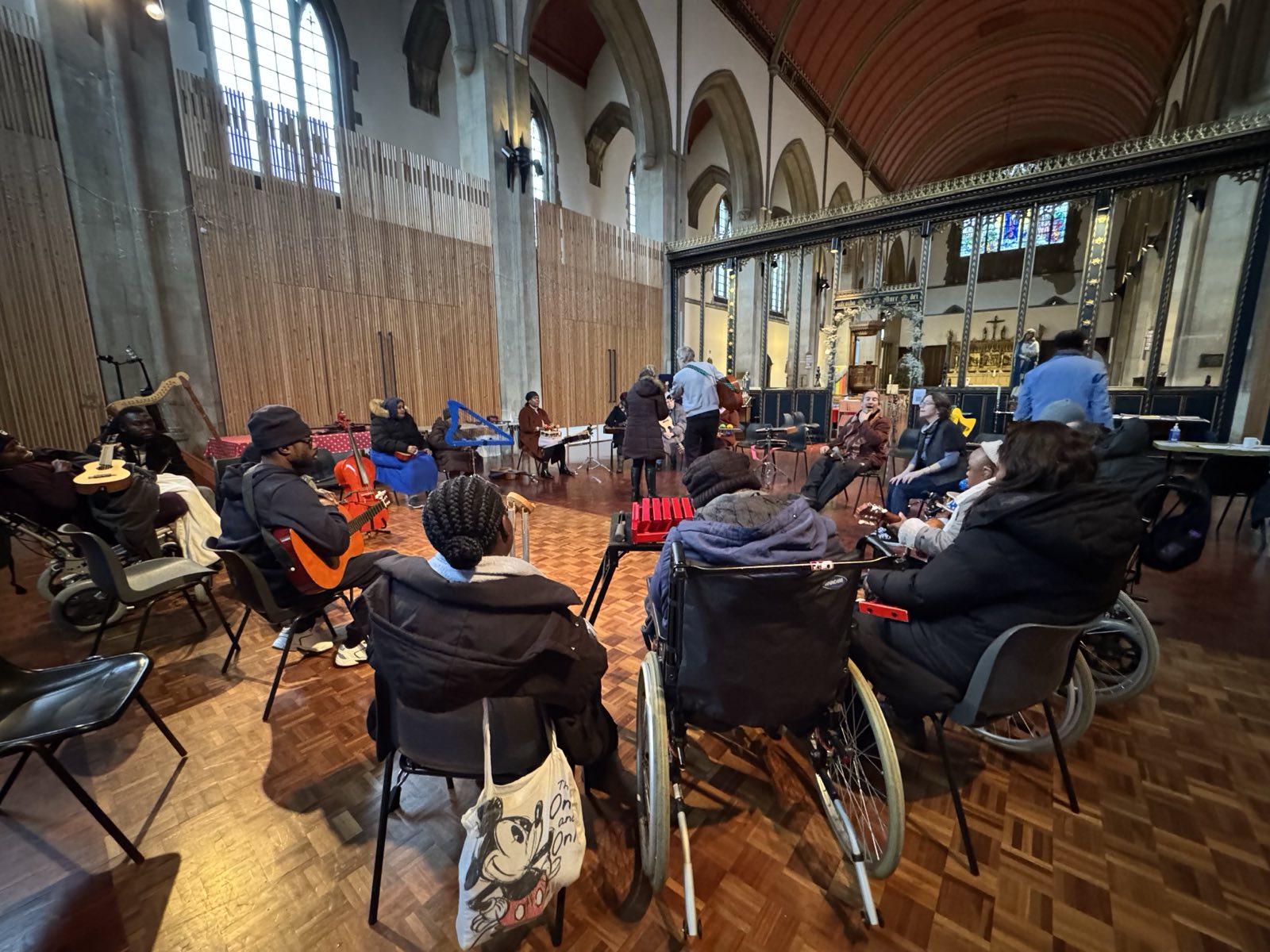
The journey began during my time volunteering at Joy of Sound, a London-based charity that holds weekly inclusive music workshops. Our sessions welcome everyone, including participants with complex physical or psychological disabilities, members of the BAME community, support workers, and facilitators. During these workshops, I often noticed people who wanted to join the music circle but were unable to do so because the available instruments simply didn’t suit their needs. This is a classic example of a “Mismatch”, a concept introduced by Kat Holmes that deeply inspired me to move beyond traditional instrument design.
The initial spark for this project came from a participant who is blind and has a certain degree of cerebral palsy. Traditional instruments are difficult for him to play, as he may not be able to control his upper body muscles precisely. However, he absolutely loves walking around and immersing himself in the music during the workshops. He inspired me to design a musical mat that would allow him to join the circle as an active musician, rather than a passive audience member.
When I pitched this idea to Drake Music, I was incredibly grateful that the team put their trust in me and provided the seed funding to make it happen. Initially, my goal was just to build one music mat. But I soon started asking myself: How can we expand this? How can we easily change its form and mode of interaction to suit different individuals?
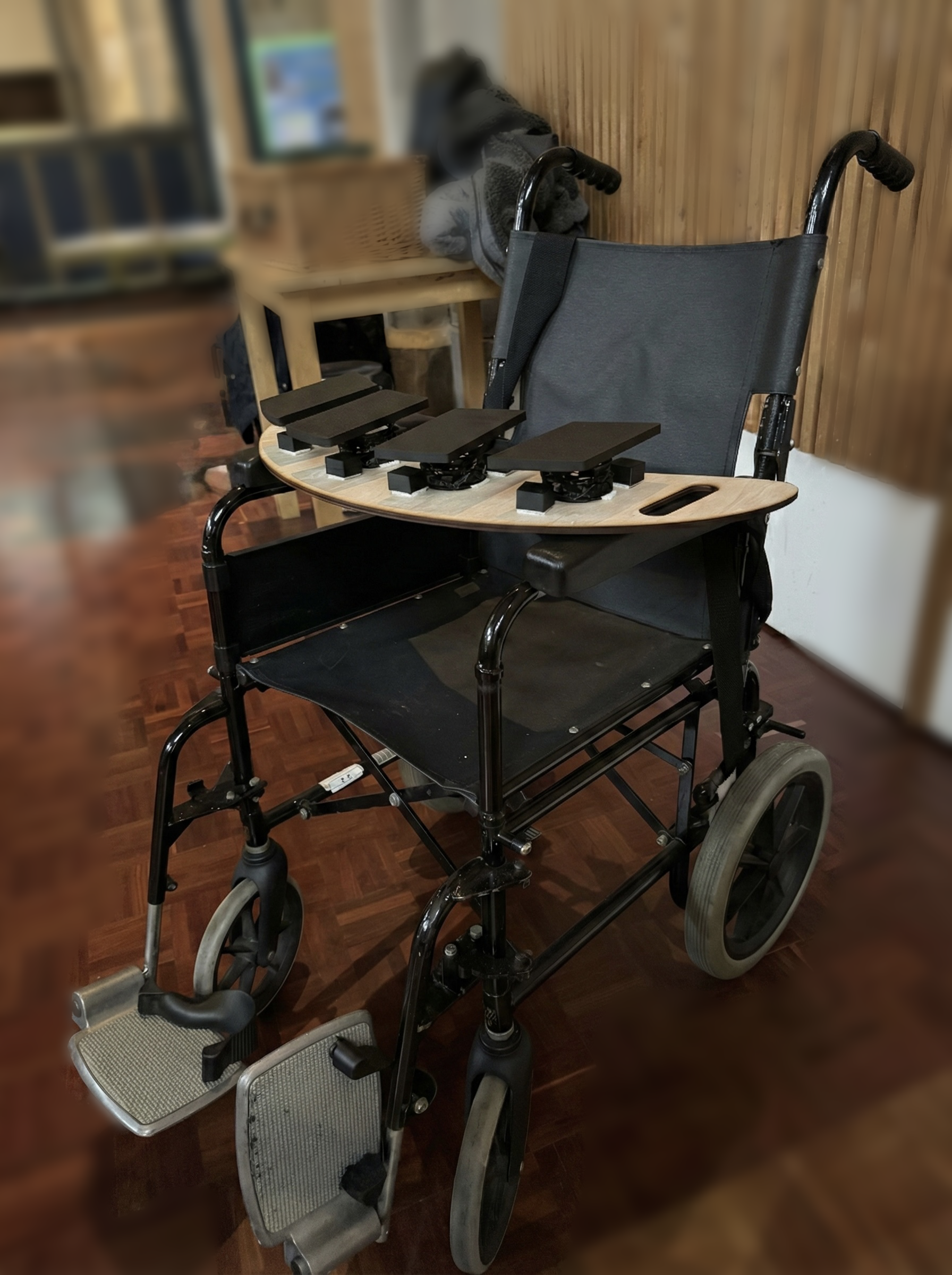
A session facilitator trying out the first version of a prototype, providing their feedback.
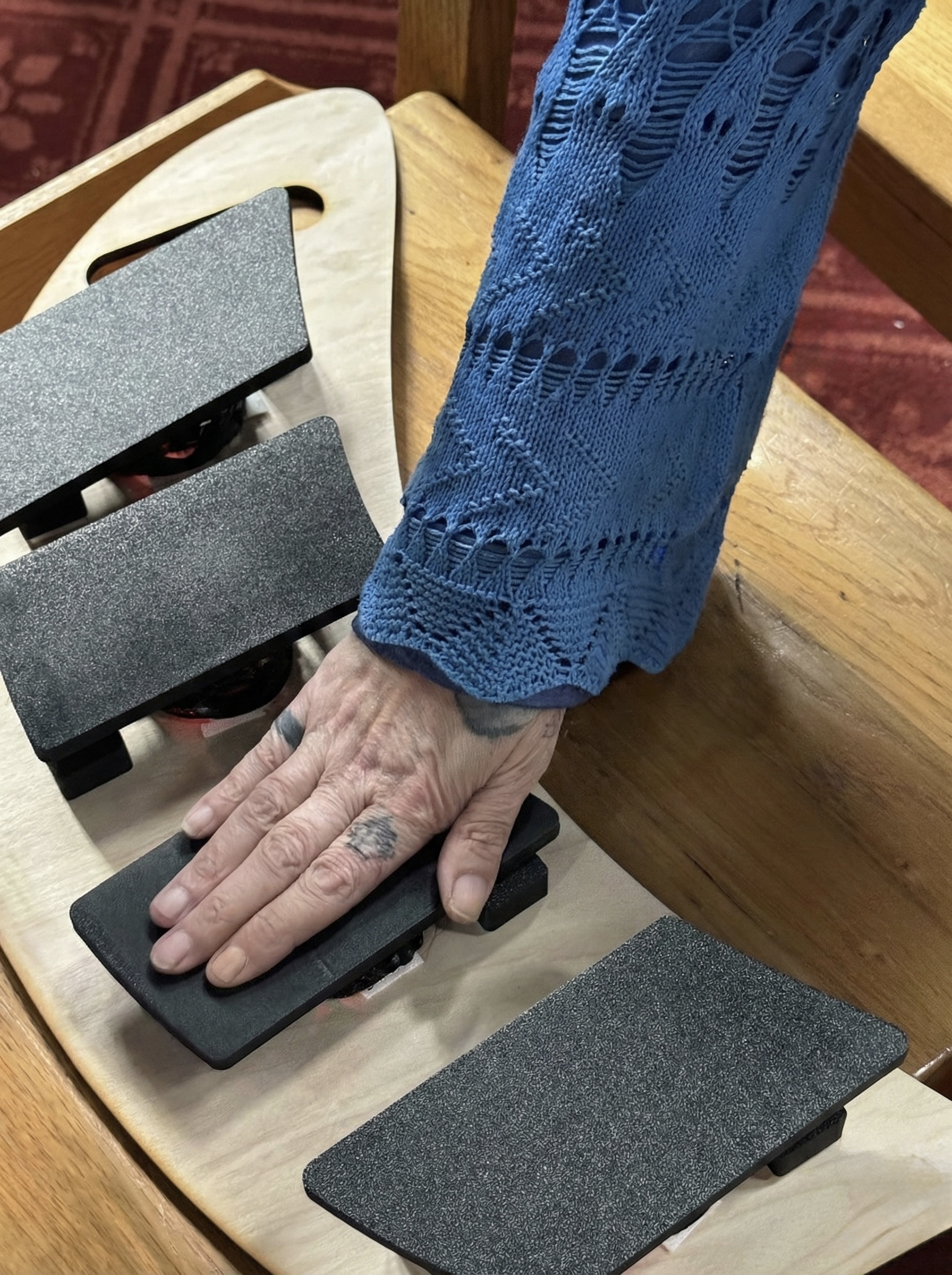
The breakthrough was kinetic flooring. Instead of one large, rigid mat, I designed individual kinetic tiles to make the entire system modular. We can easily increase or decrease the number of tiles based on how a participant reacts to the instrument. Furthermore, by altering the inner lattice of the tiles, support workers can easily adjust the physical resistance of the instrument to perfectly suit the participant’s muscle strength.
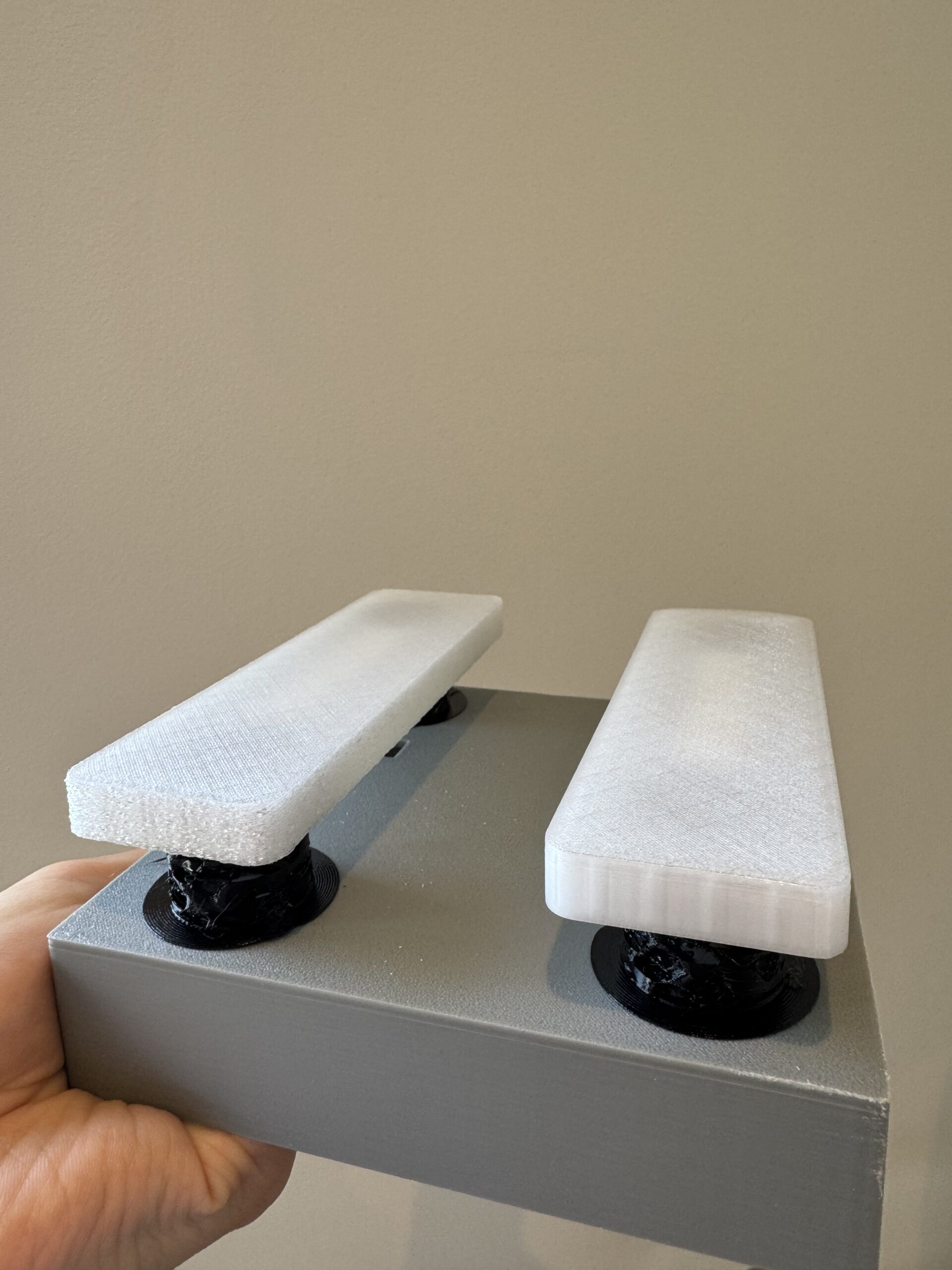
But what exactly happens when a participant interacts with it? When pressed or stepped on, the tile generates different sounds in real-time based on a custom Pure Data patch. For the live interactions at Joy of Sound, we specifically designed chimes-like, meditative sounds, as they blend perfectly with the acoustic soundscape of the workshop. However, the true beauty of this system is its flexibility. It sends out OSC (Open Sound Control) data, which means we can map the physical interactions to entirely different sound modules, such as the rhythmic drum synth you can see in the video below. In the future, this OSC capability will also allow the system to connect seamlessly to other DAWs, opening up endless sonic possibilities.
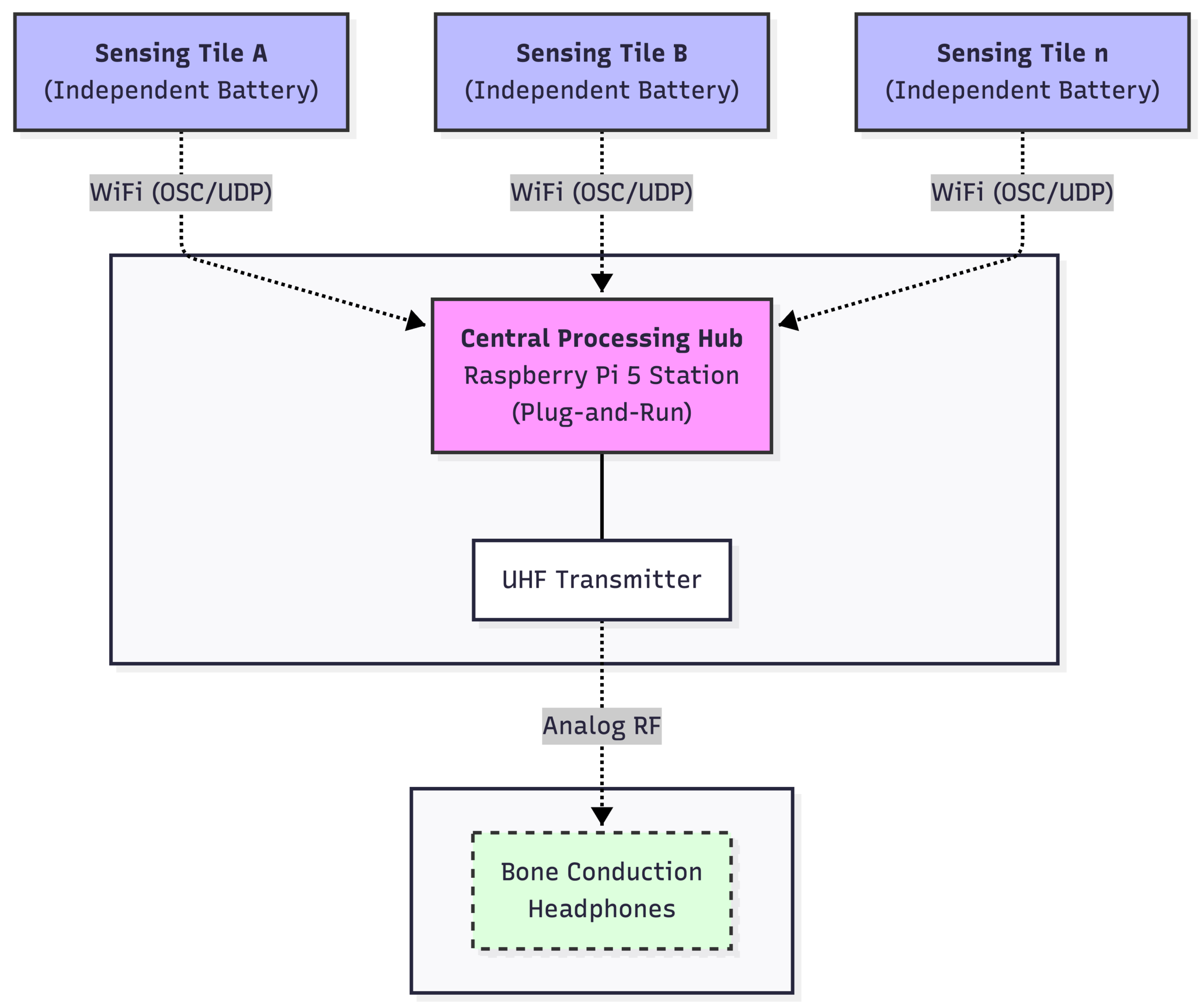
To ensure this project reaches as many people as possible, I have created a GitHub repository documenting all the technical specifications. The goal is to allow anyone to duplicate the system, iterate on it, and build unique musical tiles tailored to the specific needs of their musicians.
Without the support from the Accessible Instrument Development Fund, I simply wouldn’t have had the time and resources to focus on developing this project. The funding allowed me to conduct formal research, document the process, and publish academic papers.
But the most valuable part has been joining the DMLab community. To be honest, it is both a proud moment and a deeply humbling experience. People I have looked up to throughout my journey as a designer generously shared their expertise and exchanged opinions with me. There is a unique warmth in the Drake Music community. Since no two disabilities, and no two human beings, are exactly the same, this constant exchange of feedback and suggestions is the absolute key to creating a truly inclusive modular system.
Presenting my work at the recent DMLab Festival was an incredible milestone. Receiving such positive feedback gave me a massive boost of motivation. Looking ahead, I plan to design more modules to make the system even more robust and explore sustainable manufacturing approaches while keeping costs accessible. Ultimately, I want to share the co-authorship of this project. I want to build systems that adapt to the person, tearing down the boundaries created by ableism, so that people whose voices were previously unheard can finally take centre stage.
Discover more of Cheryl’s work:
- Website
- GitHub Repo ( coming soon)